
Why Personal Brands Need to Own Their Link Infrastructure in 2026
Personal brands operate differently from company brands in one important way. They are built on trust in a specific person. That trust is harder to build and harder to replace. When a personal brand gets disrupted by a platform change or an account suspension, the recovery is slower and more difficult — because it is not just a business that goes offline. It is a reputation that goes quiet. And a reputation that goes quiet loses credibility faster than one that keeps showing up.
Because personal brands run on perception more than any other type of online presence, every detail of how you present yourself online either adds to or subtracts from the sense that you are a professional worth taking seriously. The link you put in your bio is one of those details. It is often the first thing a new contact, a potential client, or a press contact interacts with after deciding you are worth investigating further. Therefore what that link says about you — the URL, the page it goes to, whose branding it carries — matters more for a personal brand than for most other types of online presence.
As a result, this guide covers what owning your link infrastructure actually means for a personal brand specifically, why the URL you use has a measurable effect on how you are perceived, and the practical steps to build a portable digital identity that travels with you across every platform, every career transition, and every industry shift — without ever needing to rebuild from scratch.
The Link as a First Impression
When someone searches for you online or lands on your profile for the first time, the link you provide is their first impression of how seriously you take your own presence. A link that goes to find.at/yourname says: this person has thought about their identity online and invested in owning it. A link to a generic page builder that displays the builder’s branding alongside yours says the opposite — that your online presence is hosted on someone else’s infrastructure, using someone else’s template, carrying someone else’s name.
This matters more for personal brands because personal brands run on perception. In a survey of freelance clients, 73 percent said they made a judgment about a freelancer’s professionalism before reading a single word of their content — based solely on how their profile and bio link were presented. Because that judgment happens in seconds and happens before any content is consumed, the infrastructure carrying your identity is part of your professional presentation, not separate from it.
Portable Identity Across Every Platform
A personal brand that owns its link infrastructure can carry that identity from platform to platform without losing continuity. Your find.at/yourname link works the same whether you are on Threads, Instagram, LinkedIn, or a platform that does not exist yet. It is a consistent point of contact that is always yours, regardless of where you happen to be building your audience at any given moment. Therefore when a new platform emerges and you decide to establish a presence there, you do not need to rebuild your identity infrastructure from scratch — you point the new profile to the same owned link page that every other platform already points to.
Meanwhile the creators and professionals who have built their online identity around a platform-specific URL — a Linktree link, a platform profile URL, a tool’s subdomain — face a different situation every time platforms shift. Because their link is tied to a tool’s infrastructure rather than their own, any change to that tool’s pricing, terms, or availability forces a link update across every platform, every business card, every email signature, and every piece of content that ever referenced the old link.
The Career Transition Problem
Personal brands evolve. A freelance designer becomes a creative director. A fitness coach becomes a wellness entrepreneur. A marketing consultant becomes a SaaS founder. Each of these transitions involves a shift in positioning, a new set of offers, and a new primary audience — but the underlying identity and trust relationship with an existing audience remains. Owned link infrastructure is what allows those transitions to happen without losing the audience continuity that took years to build. Because find.at/yourname stays the same while the content it points to evolves, your existing audience follows the evolution without experiencing a broken link or a confusing redirect to an outdated page.
Personal Brand Infrastructure Checklist
- Claim your find.at/yourname before someone else builds a presence at a similar URL — for personal brands, the name-based URL is the core infrastructure asset.
- Audit your current bio link and ask whether the URL reflects your name and brand, or a third-party tool’s branding.
- Ensure your bio page reflects your current positioning — not what you did last year or what you offer on one specific platform.
- Own the analytics on every click your name generates online — use a platform where that data belongs to your account, not to the tool.
- Build an email list as the owned layer beneath your social presence so your audience relationship survives every platform transition you make.
Visual: Personal Brand Identity Across Platforms
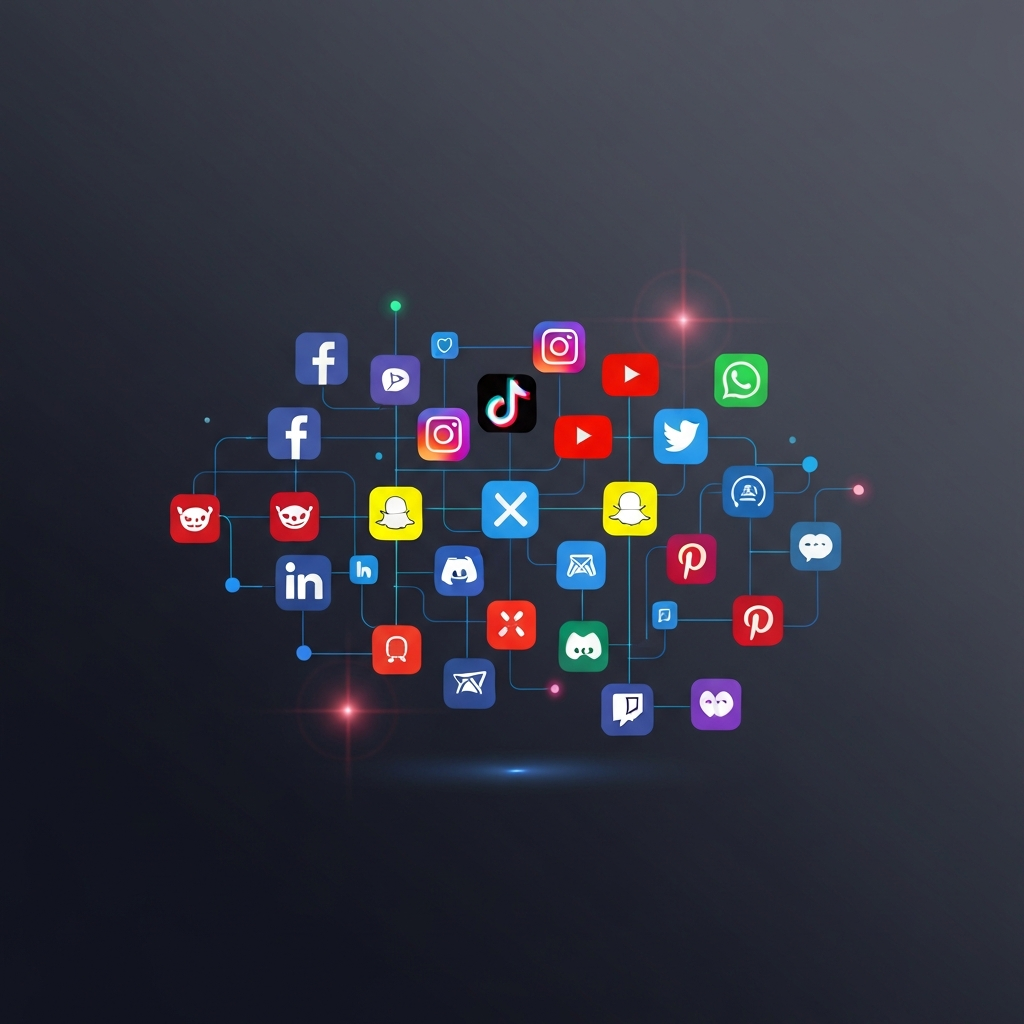
This diagram shows how a single owned URL functions as the stable identity anchor across every platform a personal brand uses. Meanwhile it illustrates how every platform profile — Instagram, LinkedIn, Threads, TikTok, podcast — points to the same owned destination, making a platform transition or new channel addition a matter of adding a spoke rather than rebuilding an identity from scratch.
Tools for Building a Personal Brand Identity Infrastructure
The tools that support a personal brand’s identity infrastructure need to do three things: give you a URL that carries your name rather than a tool’s brand, give you analytics that belong to your account, and make it easy to update your presence without changing the URL that every platform and every collaborator already has on file.
Find@ — Your Name as Your Canonical URL
Find@ gives personal brands a bio page at find.at/yourname — a URL that carries your identity rather than the tool’s branding. Because the page is updateable without changing the URL, every platform profile, business card, and collaboration brief that references your Find@ link continues to route correctly regardless of how your positioning or offers evolve. Your click analytics belong to your account. Your link history is exportable. And the page itself reflects your brand rather than a generic template. Build your personal brand identity at Find@.
The Verification Layer — How Find@ Builds Credibility
Find@ includes a verification system that adds a trusted badge to bio pages that have been identity-verified. For personal brands, verification is a credibility signal that distinguishes a genuine professional presence from an unclaimed profile. Because the verification badge is visible to every visitor who lands on your bio page, it functions as a trust signal at the exact moment a new contact is deciding whether you are worth following up with. As a result, the investment in verification pays dividends across every profile visit rather than requiring separate credibility-building work on each individual platform.
Email as the Personal Brand’s Most Durable Asset
A personal brand’s email list is the most resilient version of its audience relationship. Because email subscribers chose to maintain a direct connection with you specifically — not with a platform that happens to show them your content — the email relationship travels with you through every platform transition, every career evolution, and every industry shift. Therefore the primary conversion goal of a personal brand’s bio page should always be email capture — moving profile visitors from the platform that introduced them to you into a direct, owned channel where the relationship is unmediated and permanent.
Personal Brand Infrastructure Optimization Checklist
- Set up find.at/yourname as your canonical identity URL and update every platform profile, business card, and email signature to reference it.
- Add your current positioning as the bio page headline — not your job title, but the outcome you deliver for your specific audience right now.
- Add an email capture offer as the primary link so every profile visitor has a clear path to a direct, owned relationship with you.
- Enable verification on your Find@ page to add a visible trust signal to every profile visit.
- Review and update your bio page every time your positioning, primary offer, or most relevant content focus changes.
Personal Brand Link Infrastructure: Owned vs Third-Party
| Infrastructure Element | Third-Party Tool Approach | Owned Approach (Find@) | Personal Brand Impact |
|---|---|---|---|
| Bio page URL | toolname.com/yourname — tool branding in URL | find.at/yourname — your name, clean URL | First impression of professionalism — URL signals ownership vs tenancy |
| Analytics data | Belongs to the tool — aggregated across users | Belongs to your account — fully exportable | Your click history is a business asset; losing it on migration costs strategic intelligence |
| Page branding | Tool watermark visible on free tier | Your brand only — no third-party watermarks | Watermarks signal that your identity is hosted rather than owned |
| URL stability on career transition | URL stays but may require tool subscription to maintain | URL is yours as long as account is active | Career transitions require updating every reference if tool changes pricing or shuts down |
| Verification and trust signals | Varies by tool — often not available on free tier | Verification badge available — visible to all visitors | Trust signal matters most on first profile visit — before content is consumed |
Why these differences matter more for personal brands than for companies
- A company brand can absorb a link URL change — they have marketing teams to update materials. A personal brand often distributes their link URL personally, meaning every change requires individual follow-up across every relationship where the old URL was shared.
- A company brand’s credibility is institutional — it survives individual presentation details. A personal brand’s credibility is personal — every detail either adds to or subtracts from the trust the entire brand is built on.
- Meanwhile a company brand can rebuild a following after a platform disruption using budget and team. A personal brand rebuilds one relationship at a time, making owned infrastructure protection more valuable at smaller scale.
- Therefore for personal brands specifically, the difference between a tool-hosted URL and an owned URL is a foundational branding decision that affects every professional interaction the URL is part of.
CONCLUSION
A personal brand is built one interaction at a time, over years, on the cumulative perception that you are a professional worth knowing and worth trusting. Because every element of how you present yourself online contributes to or detracts from that perception, the infrastructure carrying your identity is not a technical afterthought — it is part of the brand itself.
Owning your link infrastructure as a personal brand means having a URL that carries your name, a bio page that reflects your current positioning, analytics that belong to your account, and a stable identity anchor that travels with you through every platform transition and career evolution without requiring a rebuild. Therefore the investment is not in a new tool — it is in the foundation that makes everything you build on top of it more durable and more credible.
Find@ gives personal brands a stable, owned identity layer — find.at/yourname, full click analytics, verification, and a bio page that reflects your brand rather than the tool’s. As a result, every platform you join, every collaboration you enter, and every new contact you make routes through an identity infrastructure that is genuinely yours. Build your personal brand foundation at find.at.
Frequently Asked Questions (FAQs)
Why does the URL structure of my bio link matter for a personal brand?
Because a URL is the first thing a new contact sees before they read any of your content. A URL like find.at/yourname signals that you have built a presence you own. A URL like toolname.com/yourname signals that your identity is hosted on someone else’s platform. Because personal brands run on trust and the perception of professionalism, that signal — visible before a single word is read — shapes the first impression that determines whether the visitor continues to engage. For company brands the URL is a detail; for personal brands it is part of the brand presentation itself.
How do I handle a career transition without losing my online audience?
With owned link infrastructure, a career transition is a bio page update rather than an identity rebuild. Because find.at/yourname stays the same while the content it points to evolves, your existing audience follows the evolution through the same link they have always used. Update your bio page headline and primary link to reflect your new positioning before you actively promote the new direction — so the first time someone visits after the transition, they land on a page already aligned with who you are becoming. Meanwhile your email list subscribers receive direct communication about the transition, maintaining the relationship through the change.
What is the verification badge on Find@ and does it matter?
The Find@ verification badge confirms that the person behind a bio page has completed identity verification — distinguishing a genuine professional presence from an unclaimed or impersonated profile. Because the badge is visible on every bio page visit, it functions as a trust signal at the exact moment a new contact is deciding whether to follow up. For personal brands where the entire trust relationship is built on the individual rather than an institution, a visible verification signal at the first point of contact has a measurable effect on how the initial impression lands.
Should I use my real name or my brand name for my Find@ URL?
Use whichever one you want to own permanently. If your personal brand is primarily built on your real name — find.at/firstname-lastname. If it operates under a consistent brand name distinct from your legal name — find.at/brandname. Because the URL is the stable anchor for your entire online identity, choose the version you are most confident will still be the right representation of your professional identity in five years. Real names are almost always the safer long-term choice for personal brands because they survive career pivots that a niche brand name might not.
How does Find@ specifically support personal brand identity ownership?
Find@ gives personal brands a bio page at find.at/yourname — a clean URL that carries your name rather than a tool’s branding. Your click data belongs to your account and is exportable. The verification badge adds a visible trust signal to every bio page visit. And because the page is updateable without changing the URL, your link infrastructure travels with you through every platform transition and career evolution without ever requiring a URL change. Build your personal brand foundation at find.at.


